
Boston condos for sale: Are home inspections necessary?
Boston real estate
Boston condos for sale: Are home inspections necessary?
Let’s start off with a story:
Mr. Harrison’s perfect smile was as practiced as his handshake. The young couple beamed as he opened the door, revealing a pristine colonial. “Hardwood floors, brand-new kitchen, and a yard for the kids,” he chirped. He didn’t mention the structural cracks, hidden under fresh paint, or the leaky pipes in the basement. He also didn’t mention the noisy neighbors or the fact that the property tax assessment was about to triple. He secured their signatures, collected his commission, and drove away, leaving them to discover their new money pit one disaster at a time.
Boston condos for sale: Are home inspections necessary?
I encourage home buyers to ask for a complete home inspection. For the last couple of years, buyers were skipping the inspections to make their offers more competitive.
This year buyers are asking for inspections and some are asking for repairs. Some of the repair requests are kind of silly and they seem to just irritate the homeowner. Especially in cases where the buyer knew about the need for repair when they made the offer.
Inexperienced real estate agents can mess things up by asking that a licensed professional adjust a door or caulk a window.
No licensure is needed for caulking or door repair or for many of the household tasks and repairs that buyers ask for.
A real estate agent is a licensed professional.
I something is leaking or not working asking for a repair makes sense. Some of the repairs that buyers ask for are upgrades, improvements, or home maintenance items that a well-meaning inspector is suggesting.
Sellers who wish to sell without making any repairs should put in writing that they will not be making repairs. The language can be put in the MLS so that buyers see it on the internet before they even see the house.
Home buyers should understand that sellers can say no to repairs and sometimes it really is easier and less expensive to put the house back on the market and sell it to someone else than it is to have the repairs made.
What about a competitive Boston condo for sale market?
There are times when a buyer may feel a competitive rush to “win” the bidding process; In these situations, inspection waivers may be framed as a strategic advantage. Essentially, a “cleaner,” more attractive offer.
However, this perception of efficiency often masks the risk of future disputes that can haunt buyers, sellers, and brokers/agents long after escrow closes. By bypassing professional due diligence, stakeholders dismantle the protective barriers that exist to determine the property’s true condition, manage expectations, and mitigate legal exposure.
Understanding these risks is not just about avoiding litigation; it is an essential component of fulfilling our fiduciary duty to protect clients from the unforeseen consequences of skipping critical investigations.
Why Inspection Waivers are NOT a Benefit to the Seller:
While a waiver may appear to offer a “clean” offer with more certainty of closing, it often creates significant post-closing liability for the seller.
- Heightened Scrutiny of Disclosures: When a buyer does not perform their own due diligence, the seller’s disclosure documents become the primary source of information about the property. Any errors or omissions in these documents, even unintentional ones, can be characterized as intentional or negligent misrepresentation.
- Increased Risk of Disputes/Litigation: Without an inspection report to set expectations, buyers may discover issues after closing and allege fraudulent concealment or a failure to comply with statutory disclosure obligations.
- Substantial Financial Exposure: Post-close of escrow, claims are costly, time-consuming, and stressful.
Why Waivers are NOT a Benefit to the Buyer:
Waivers strip buyers of essential protections and their opportunity for professional due diligence.
- Lack of Due Diligence: Buyers who waive inspections may fail to identify critical structural or maintenance issues before committing to the purchase.
- Incomplete Information for Price Negotiation: Without professional reports, buyers may lack the necessary evidence to negotiate repairs or price reductions based on the property’s actual condition. Even when inspection reports are provided by the Seller, a buyer relying solely on these reports, which may not reveal all material defects, can lead to disputes.
- Burden of Proof: If defects are found later, the buyer must prove the seller knew of the defect and failed to disclose it. Discovering the issue during an inspection period with a vendor selected and hired by the buyer is the most prudent course of action.
Why Inspection Waivers are NOT a Benefit for the Real Estate Licensee:
Licensees who “tout” waivers as a benefit to sellers without explaining the consequences risk breaching their fiduciary duties.
- Failure to Advise: Agents have a non-delegable fiduciary duty to exercise reasonable skill, care, and diligence. Failing to advise a seller of the potential consequences of a buyer’s lack of due diligence can lead to claims of negligence.
- Preparation of Disclosures: If a seller prepares disclosures that are later found to be inaccurate and the buyer has waived inspections based on the disclosures, the risk to the agent is heightened.
- Indemnification Demands: Sellers who are sued may turn to their agents, demanding that the agent defend and indemnify them against the buyer’s claims.
- Failure to Recommend Legal Counsel: Licensees should recommend that clients seek legal advice when necessary. In some cases, negotiating complex price reductions or removing standard protections (such as inspections) can raise legal questions or prompt analysis of potential future liability. Sellers may elect to require a release of liability in exchange for any repairs, credits, and/or price reductions.

Click to View Google Reviews for Ford Realty 2021,2022 and 2026
____________________________________________________________________________________
There are many reasons to buy a Midtown condo in Downtown Boston. Many are beautifully designed, centrally located, and are within condo buildings with fantastic amenities. However, before buying a Downtown Boston condo, you should know what a condo inspection is and how it can help you.
What is a condo Inspection?
A Boston Beacon Hill condo inspection is very similar to a home inspection or the inspection of any other building that is for sale. It is ordered either by the buyer or the seller of the condo, and it consists of a thorough examination of the unit that will be purchased. The inspection will cover:
- Heating
- Electrical
- Plumbing, including toilets and all drains
- Interior structure, such as the windows, walls, floors, and doors
- Ducts and vents
Why Consider a Condo Inspection
The short answer to the question of “Should I get a Boston condo inspection?” is a resounding yes. A thorough Boston condo inspection will provide you with recommendations as to what you will need to update and approximately when. This will give you insight as to what condition your potential new home is in. Identifying any current or potential issues through an inspection will provide you with an opportunity to determine if you would like to move forward with the purchase or ask for certain contingencies from the seller.
Many Downtown Boston condos, especially those that are up for sale, are made to look glamorous and inviting. It is worth the small hassle of calling in an expert who can look past the appearance to the functionality and safety of the building.
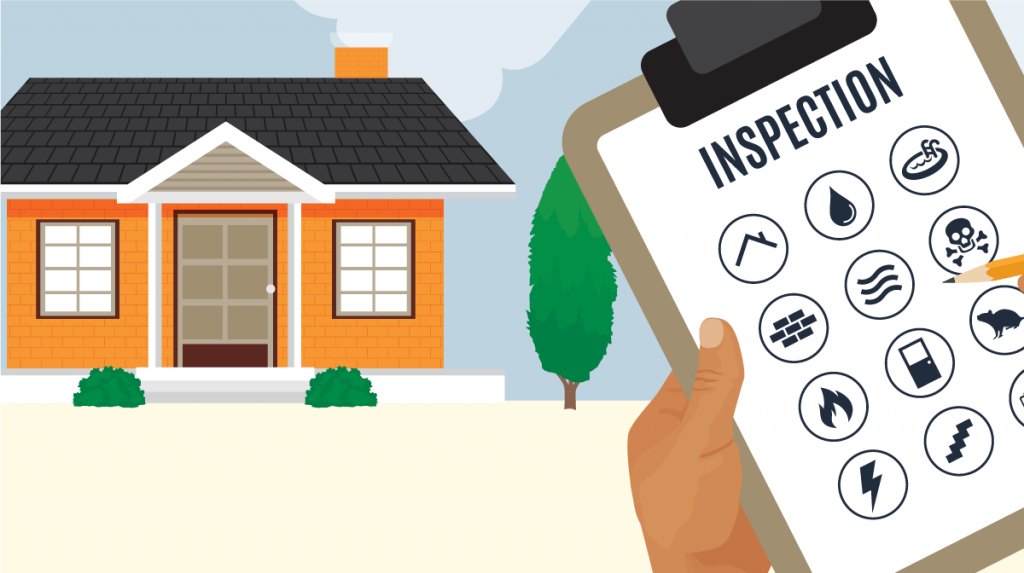
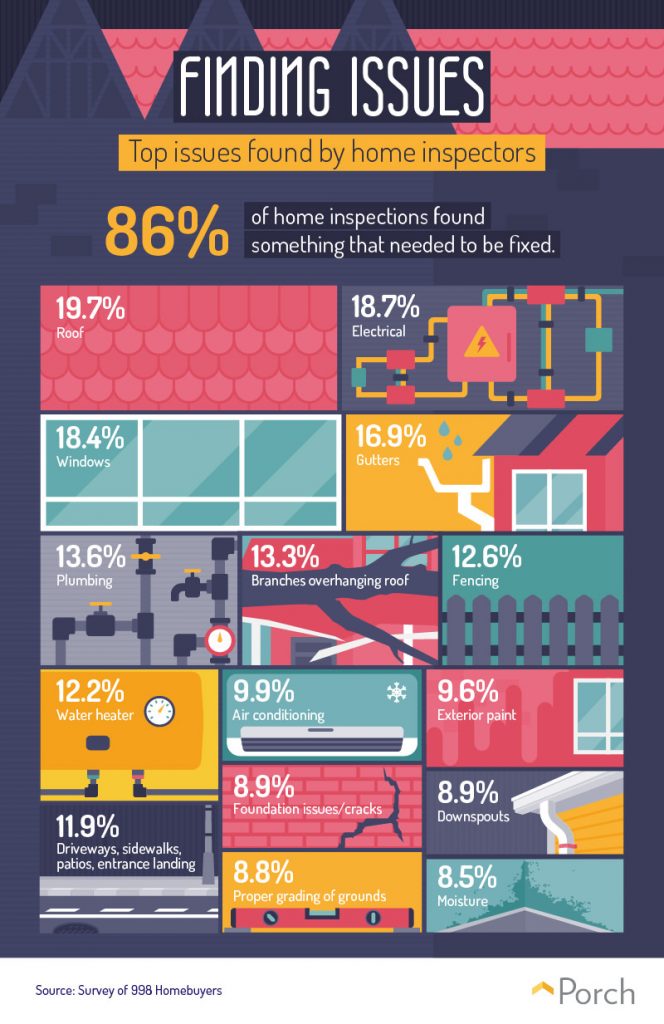
The vast majority of existing homes sold in the U.S. need one or two things to be patched up, with 86% of all home inspections turning up some kind of problem, according to a study by the home improvement website Porch.com.
Boston real estate
The average home inspection can cost from $300 to $500 depending on where the home is and how big it is, but Porch.com’s study indicates that this is an investment that will save the average buyer around $14,000 in renovation costs.
A home inspection involves assessing the condition of things such as the roof, ceilings, walls, floors, foundations, windows, doors, major appliances, heating and air conditioning, plumbing and electrical systems. Most real estate agents agree that it’s essential their clients pay for a home inspection to ensure the home they’re buying is on a solid footing and won’t cause them headaches later.
But worryingly, the low inventory of existing homes for sale today has led to intense competition among buyers, and many are faced with bidding wars and have to offer well above a home’s listing price to clinch the deal. Besides making a higher offer, some buyers are also waiving the home inspection to make their offer stand out. Redfin said last year that almost 20% of the offers submitted by its agents waived the inspection contingency.
Any buyer who makes that decision needs to be aware of the risk, and just as importantly, the most common issues that home inspections can turn up.
Porch.com’s study shows that just over 19% of home inspections uncover problems with the roof. Home inspectors typically check roofs for things such as leaks, venting, the material condition, proper installation and any other visible issues.
Another common problem is issues with the electrical wiring, which turn up in 18% of all inspections. The most common electrical issues are reversed polarity, frayed insulation, DIY wiring, over-fusing, and mismatched wiring. About 51,000 fires each year are caused in homes by improper electrical wiring.
Another 18% of inspections discover problems with windows that can hamper energy efficiency and cause issues with indoor air quality, Porch.com said.
Boston real estate
In addition, Porch.com said almost 17% of inspections turn up issues with gutters, 14% discover problems with the plumbing, and more than 12% find issues with the water heating system and air conditioning.
Looking to Buy in Downtown Boston?
If you have other questions about condo inspections or you’re interested in viewing new luxury real estate in Downtown Boston, call 617-595-3712 and schedule an appointment with one of the experienced agents from Ford Realty. We only buy and sell real estate in Midtown Boston, so you can trust our agents to be experts in the local community.
Boston Condos for Sale Near Downtown Boston
Back Bay Boston condos for sale
Beacon Hill Boston condos for sale
Charlestown Boston condos for sale
Navy Yard Charlestown Boston condos
Dorchester Boston condos for sale
Fenway Boston condos for sale
Jamaica Plain Boston condos for sale
Leather District Boston condos for sale
Midtown/Downtown Boston condos for sale
Seaport District Boston condos for sale
South Boston condos for sale
South End Boston condos for sale
Waterfront condos for sale
North End condos for sale
West End condos for sale
East Boston condos for sale
Updated: Boston Real Estate 2025

